
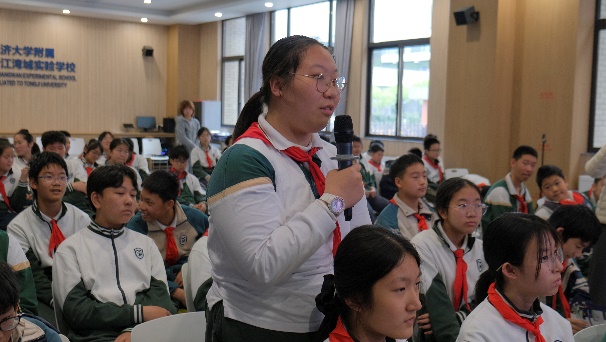
On April 28, during the TJ2603 expedition in the South China Sea, the Research Vessel (R/V) “Tongji” organized a science outreach livestream event titled “Tongzhou Classroom: Ship–Shore Connection.” Under the theme “Tracing Carbon in the South China Sea — Unlocking the Keys to Paleoclimate Evolution,” the event connected the deep-sea research site with a classroom at Tongji University Affiliated Xinjiangwancheng Experimental School in Shanghai via satellite, delivering an immersive ocean science lesson to young students across space.
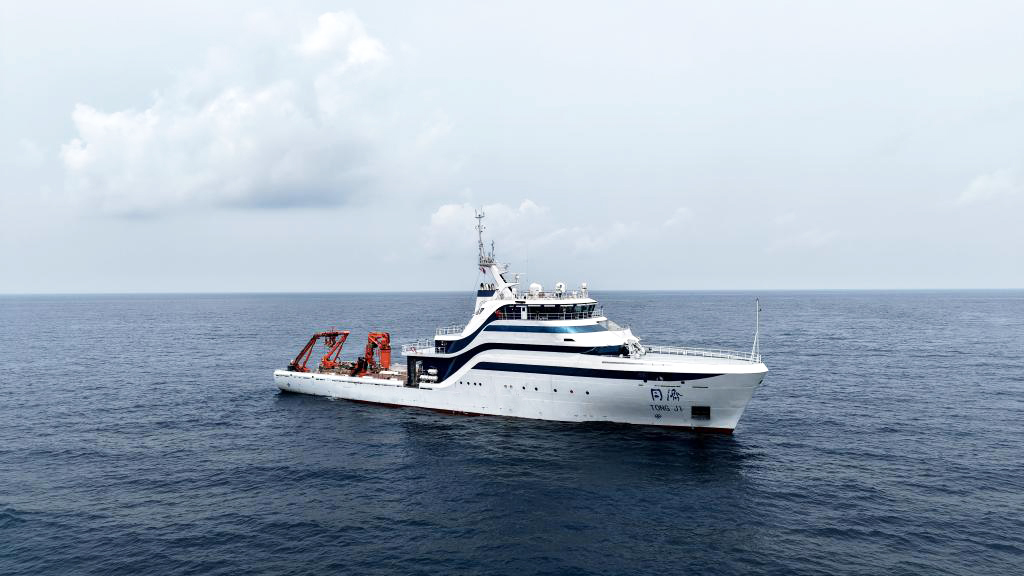
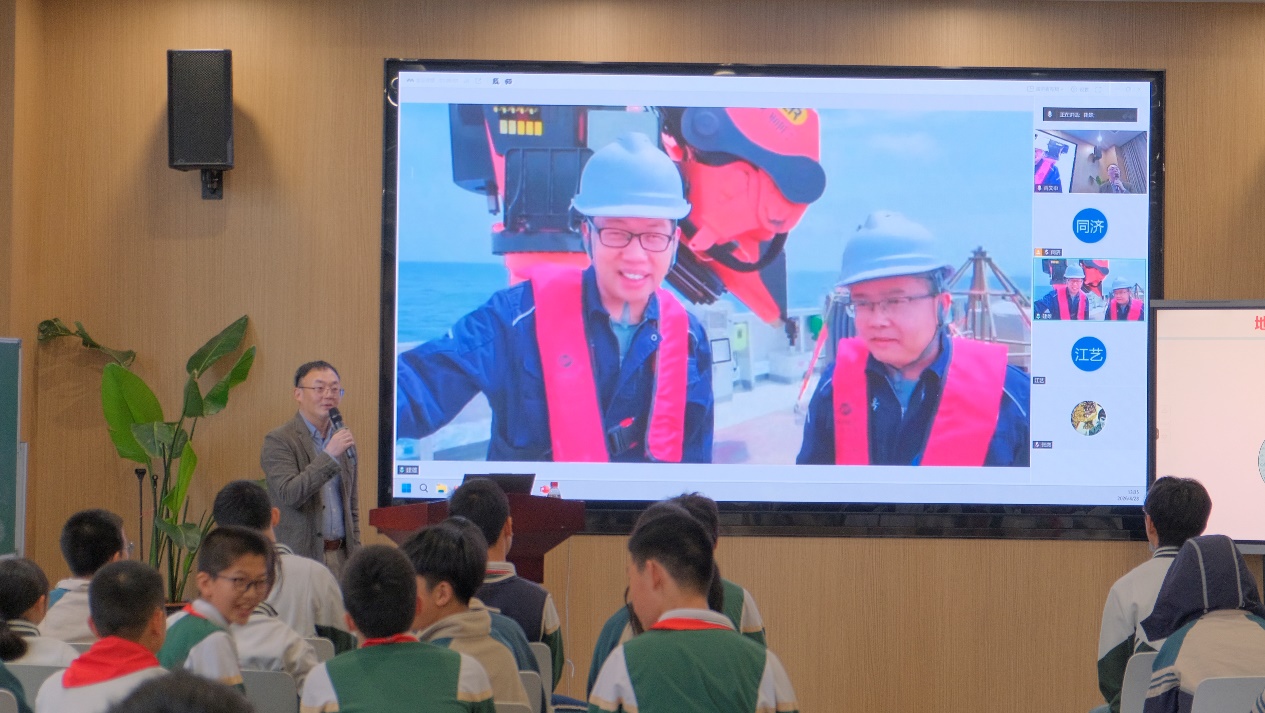
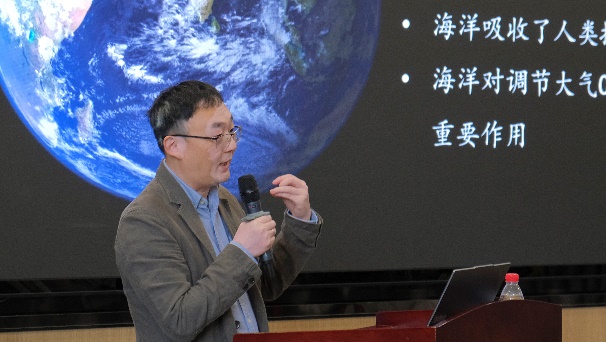
The event was hosted by ZHANG Jiansong, Senior Journalist from Xinhua News Agency Shanghai Bureau, who is currently participating in the expedition aboard the vessel. Prof. HUANG Enqing (onboard) and Associate Prof. XIAO Wenshen (onshore), both from the School of Ocean and Earth Science at Tongji University, jointly introduced the scientific objectives and research tasks of the TJ2603 voyage through a live interactive session. Guided by the livestream, students began their virtual tour from the ship’s bridge and explored China’s new-generation intelligent ocean research vessel. From the advanced dynamic positioning system to the working deck at the stern, various navigational instruments and scientific equipment were showcased, offering students a vivid understanding of real-world marine scientific operations and their rigorous nature.
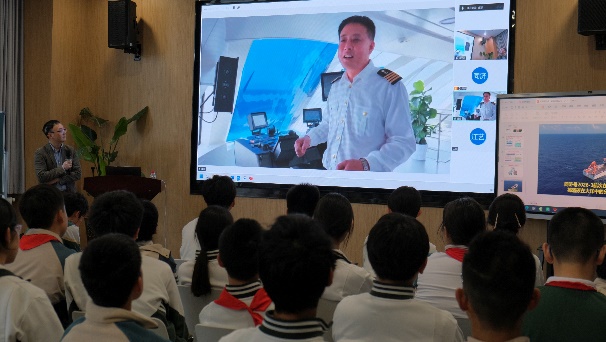
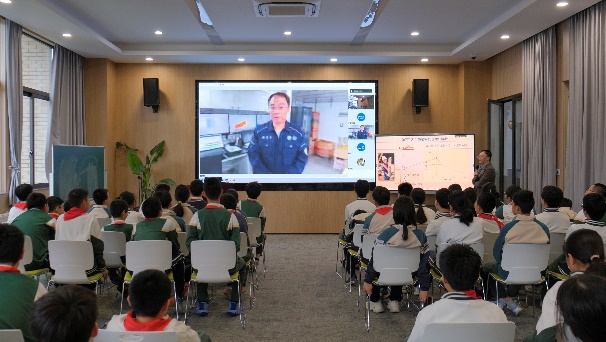
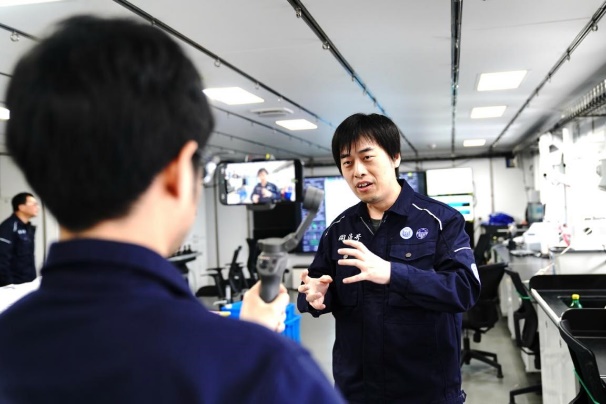
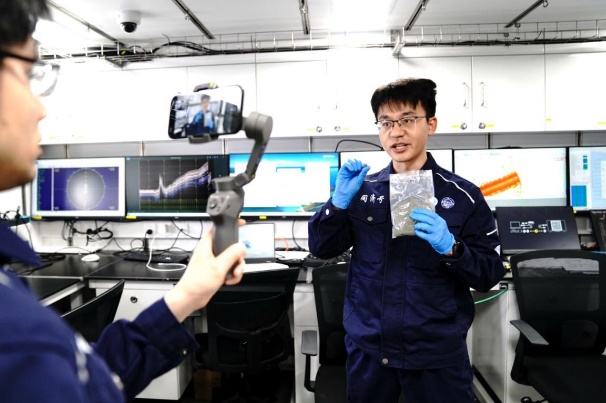
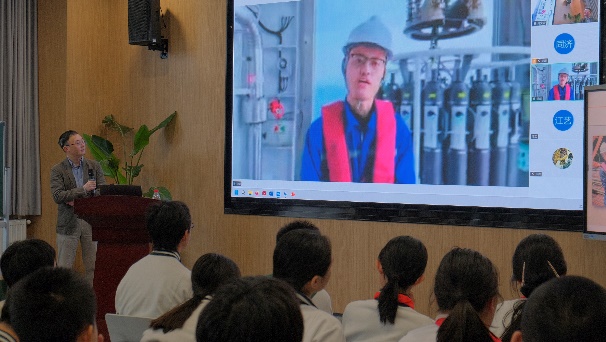
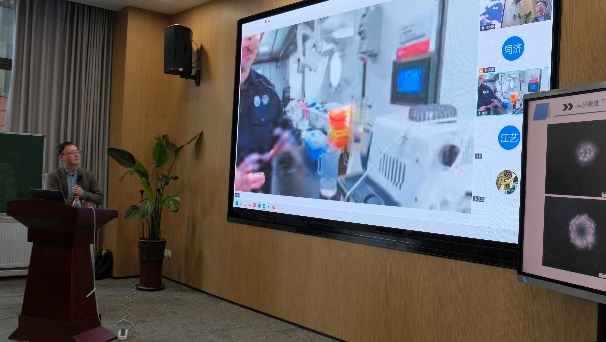
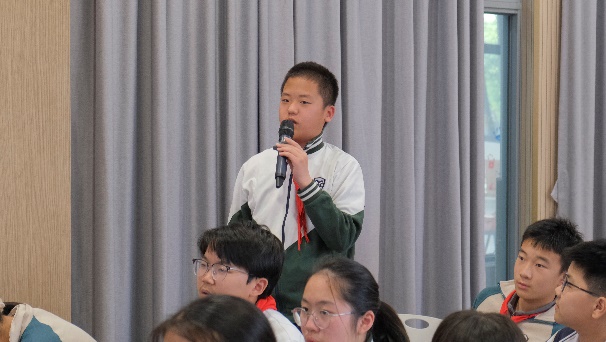
Focusing on the central scientific theme of the voyage—the marine carbon cycle—scientists onboard presented a series of engaging explanations. In the general laboratory, Associate Prof. JIN Xiaobo from Tongji University introduced coccolithophores as an entry point to explain how the ocean absorbs atmospheric carbon dioxide and the crucial role these microorganisms play in the oceanic “carbon pump.” Prof. JIANG Wei from the University of Science and Technology of China elaborated on dating techniques using radioactive isotopes such as calcium-41, helping the audience understand how scientists interpret temporal information recorded in seafloor sediments. On the aft deck, Chief Technician XU Yizheng demonstrated key equipment such as the CTD water sampling system and multi-corer, while sharing insights into the challenges and rewards of conducting research at sea, providing students with a more comprehensive understanding of ocean expeditions. Prof. TIAN Jun, Chief Scientist of the TJ2603 voyage from Tongji University, emphasized that the expedition is centered on the “low-latitude forcing hypothesis,” aiming to investigate the critical role of low-latitude regions in global climate evolution through observations and sampling of key processes in the marine carbon cycle. He highlighted the South China Sea as an ideal natural laboratory for studying carbon cycling and ocean circulation. In the final interactive session, Prof. TIAN Jun and Captain SHI Bin of the R/V “Tongji” answered students’ questions on topics such as climate change, challenges of deep-sea sampling, and life onboard research vessels. As a special reward for participation, students were offered deep-sea water samples collected from a depth of 3,712 meters in the South China Sea.
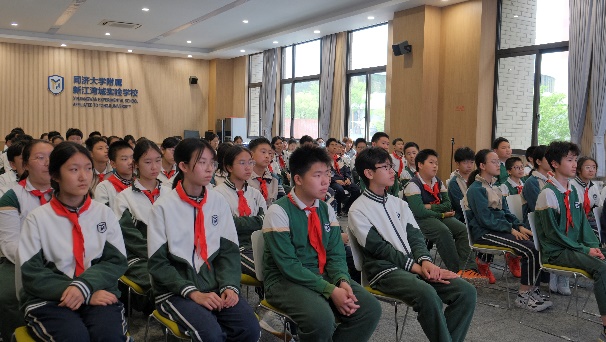
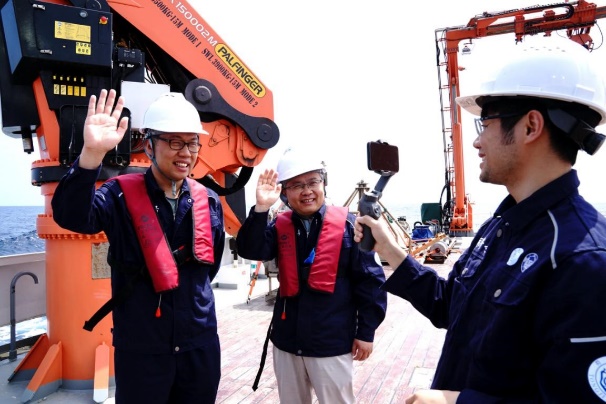
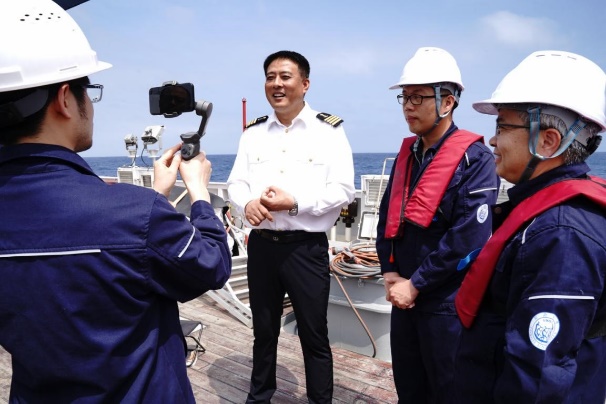
The TJ2603 expedition continues its “carbon tracking” mission in the South China Sea. This livestream marked the first “ship–shore connected” science outreach event since the delivery of the R/V “Tongji”. The activity not only provided young students with a rare opportunity to experience the excitement of deep-sea exploration, but also conveyed the scientific spirit of rigor, curiosity, and perseverance. Looking ahead, the R/V “Tongji” management team will continue to explore innovative science communication models, leveraging major national expeditions to develop high-quality public engagement programs.
Written by: WEN Tingyu
Shot by: ZHANG Jiansong, WEN Tingyu
Translated by: LI Xinran