
On April 29, Professor Zhimin Jian, member of the Chinese Academy of Sciences and Dean of the School of Ocean and Earth Science at Tongji University successfully completed the Prydz Bay joint cruise of China’s 42nd Antarctic Expedition and returned to Shanghai. Serving as Chief Scientist Advisor for the expedition, Prof. Jian sailed aboard the polar research icebreaker Xuelong 2, bringing back valuable deep-sea sediment cores and first-hand observational data from the Southern Ocean. These samples and datasets will provide critical evidence for studies on the coupling between high- and low-latitude processes in global climate evolution.
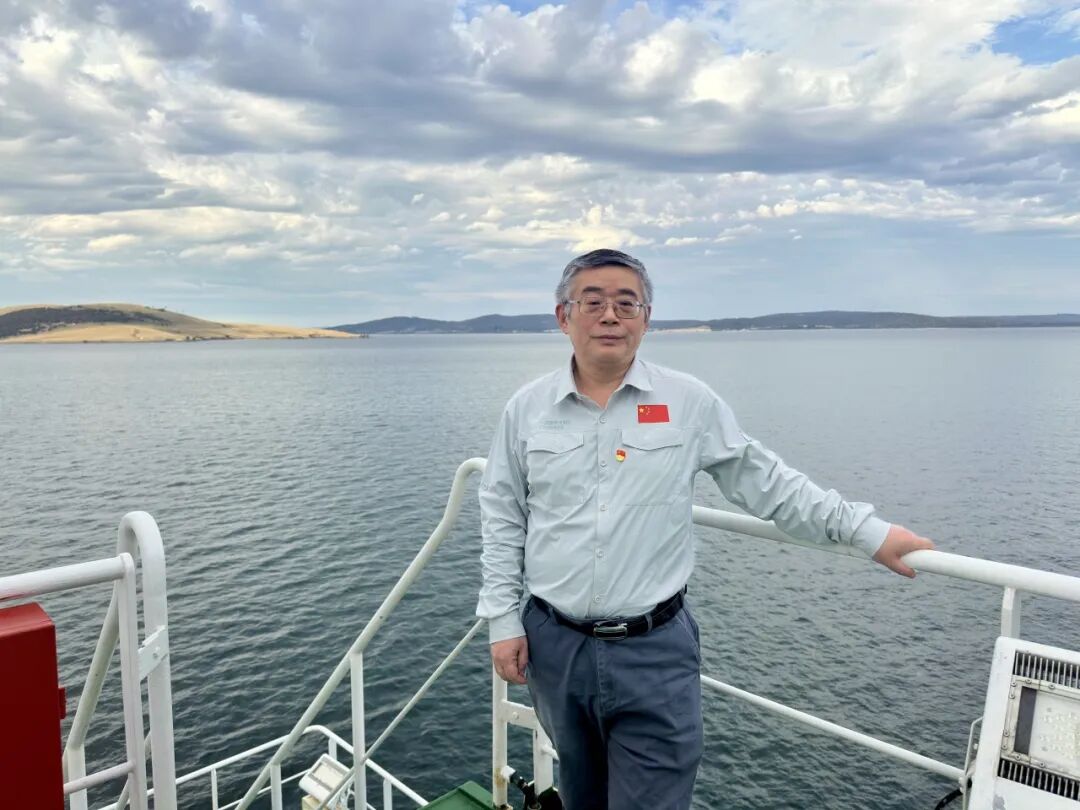
The joint cruise focused on Prydz Bay, one of the principal formation regions of Antarctic Bottom Water (AABW). Despite severe sea-ice conditions and harsh autumn weather in the Southern Hemisphere, Zhimin Jian and the scientific team successfully collected multiple gravity sediment cores under challenging marine conditions. Among them, a sediment core measuring 4.26 meters in length is the longest sample obtained during the expedition and is regarded by the research team as a “historical archive” recording Earth’s paleoclimate evolution.
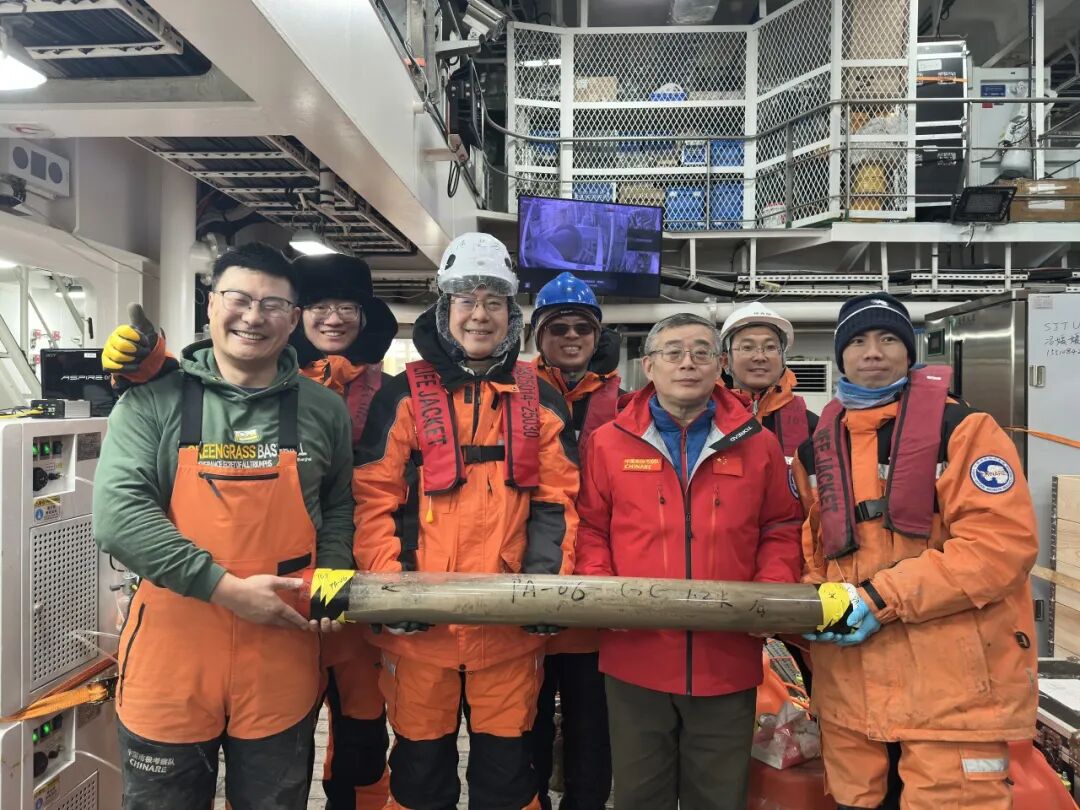
Zhimin Jian stated that the central scientific objective of the expedition was to investigate the interactions between high- and low-latitude processes in climate evolution. Traditional theories of global climate change have long emphasized high-latitude forcing, while growing attention in recent decades has highlighted the importance of low-latitude tropical processes. This research seeks to clarify how tropical and polar systems interact within the Earth’s climate system. The sediment samples and observational records obtained from Prydz Bay provide crucial high-latitude evidence for this research framework. By analyzing grain size distributions, benthic foraminiferal δ¹³C, neodymium (Nd) isotopes, and other geochemical indicators preserved in the cores, scientists aim to reconstruct the history of Antarctic Bottom Water formation over tens to hundreds of thousands of years and quantify the respective contributions of high- and low-latitude processes to global climate change.
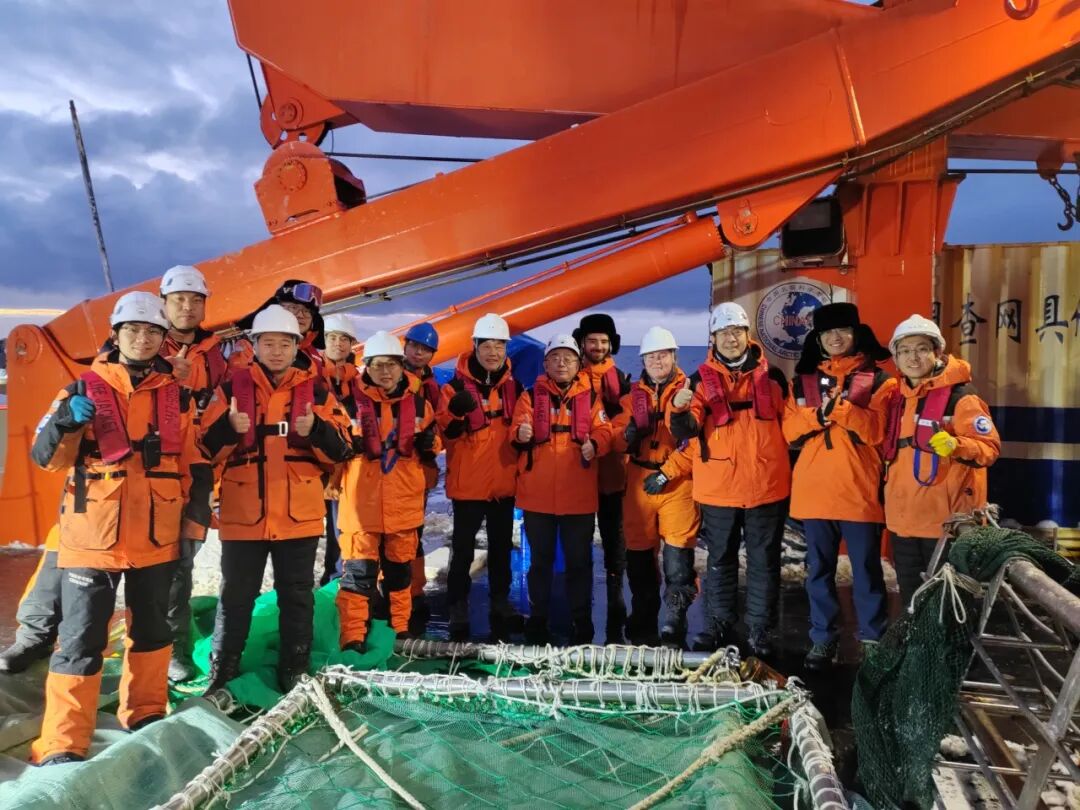
Zhimin Jian emphasized that the expedition marks an important step toward a new stage of in-depth polar scientific research. He encouraged more young scholars and students to participate in polar expeditions and gain firsthand experience in Earth system science, contributing to China’s long-term development as a global leader in polar research. Once the samples arrive in Shanghai aboard the Xuelong 2, researchers at the State Key Laboratory of Marine Geology at Tongji University will immediately begin comprehensive laboratory analyses.
Written by: PAN Baiyi
Translated by: LI Xinran